
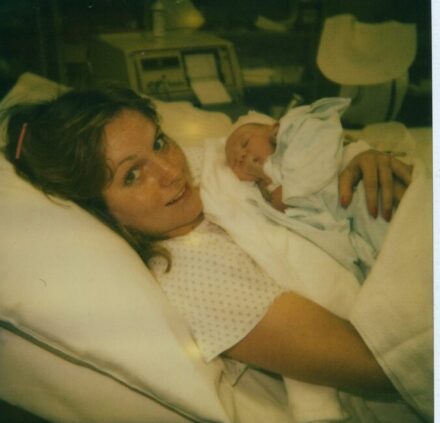
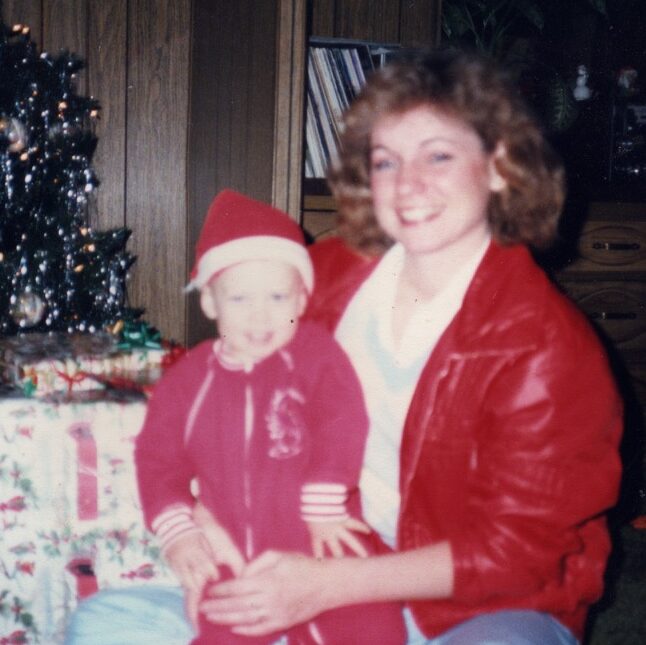
t twenty years old, I thought I was ready to be a parent. I lived with my husband and our brand new baby boy in a single-wide mobile home with a swamp cooler that was two sizes too small, in the desert of Arizona. He was an engineering student at ASU and I was a waitress. Even though it was sweltering in there, we found ourselves talking to our wide-eyed newborn in high-pitched tones, repeating ourselves, and singing him silly little songs. When he laughed for the first time, we tried endlessly to get him to laugh again. It was the most intoxicating sound either of us had ever heard.
We really hoped we had what it took to teach him to be smart, confident and capable, and especially to be kind.
Being that young, PLUS having never been parents before, we made a lot of mistakes. There was one thing we did very right, and we had no idea at the time that we were doing it! We spoke to our tiny little buddy in a language called “parentese.” I learned much later while watching a lecture by Leonard Bernstein, that parentese is a language parents in all cultures use. They listen to their babies and repeat back the little sounds they make. Dr. Bernstein explained that this both reinforces to the baby that the sounds they make are meaningful, to hear back the sounds they’ve just made, and to allow the baby to hear from their parents that they understand and appreciate them. As very young parents, unaware of any of this, we naturally did it. If you’re a parent, you’ve probably found yourself doing it too!
Being listened to and understood by your parents not only reinforces your language skills, it teaches you to have empathy. Babies mimic everything their parents DO, and one of those things they mimic is listening. Listening to one another, and responding in useful and meaningful ways demonstrates empathy. When we’re curious about how others feel, and about what they need, and we respond to those feelings and needs, we help to create a society that thrives, above transaction, and above compliance. Babies, who are wired to imitate, are laying the groundwork for having these traits as they watch you exhibit them, and copy you.
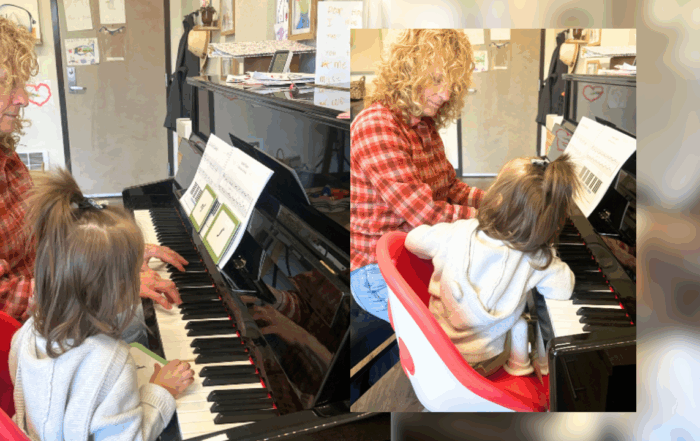
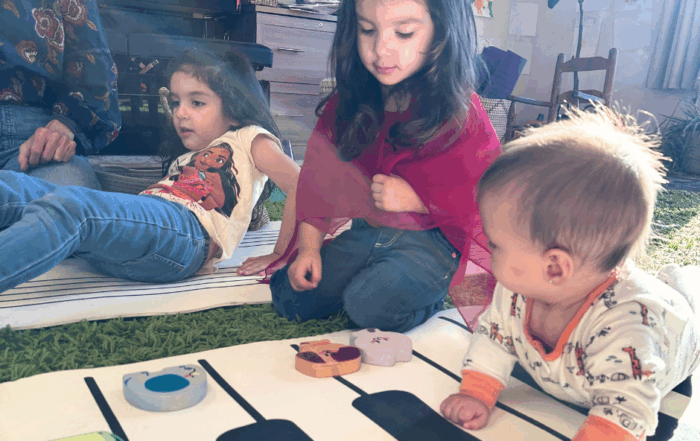
In my later studies, I came to understand that Parentese includes a psychological strategy called “serve and return.” Your baby makes a sound and you make it back. This activates something called “mirror neurons” which create a bond between two people. When I play the piano with little kids, I do this, and they love it! They play something, maybe by accident, and I play it back. We go back and forth for as long as they want to. It’s the most bonding, wonderful experience! You don’t have to be good at piano to copy the little things your baby does.
When you use this technique to teach music to your baby, you have an even greater chance at helping your child to thrive as they mature. Music is the language of connection, and can be used to support and enhance what we naturally do with spoken language. As you improve in your piano playing skills, you can begin to add more complex elements into the game, and your child can copy those too.
The problem I’ve witnessed throughout my life is that our society has created, over the past 400 years or so, methods of teaching music that focus more on obedience and compliance than listening. I find it strange, because even though the most important part of being a musician is listening, we too often don’t listen to our students, or show them HOW to listen.
I teach piano to parents of very young children, beginning, ideally, as soon as they’re born. I recommend starting as young as possible, partly because language is best learned starting the day you’re born, and music is a language; but mainly because there is so much for parents to learn, and even more for them to unlearn. You might think, “my baby can’t possibly play the piano at this age,” and you’re right, if your goal is to make them play specific songs at this age. They can, however, learn all kinds of things at this age by watching and listening to you! The songs come much later, and when they do, the kids are well-rounded, curious and confident musicians.
Babies who sit with their parents and make music this way, learn that they can make sounds on an instrument, and with their voices, that are beautiful and expressive.
Even more importantly, these kids learn that their parents enjoy listening to the sounds they make.
They learn that they matter.
When parents make the extra effort to apply “parentese” to music training, and mimic the things their baby does, rather than instructing and correcting, these babies continue to love making music, and eventually copy the things their parents do in the parents’ music practice. These babies grow up smart, confident AND kind. What else even matters?
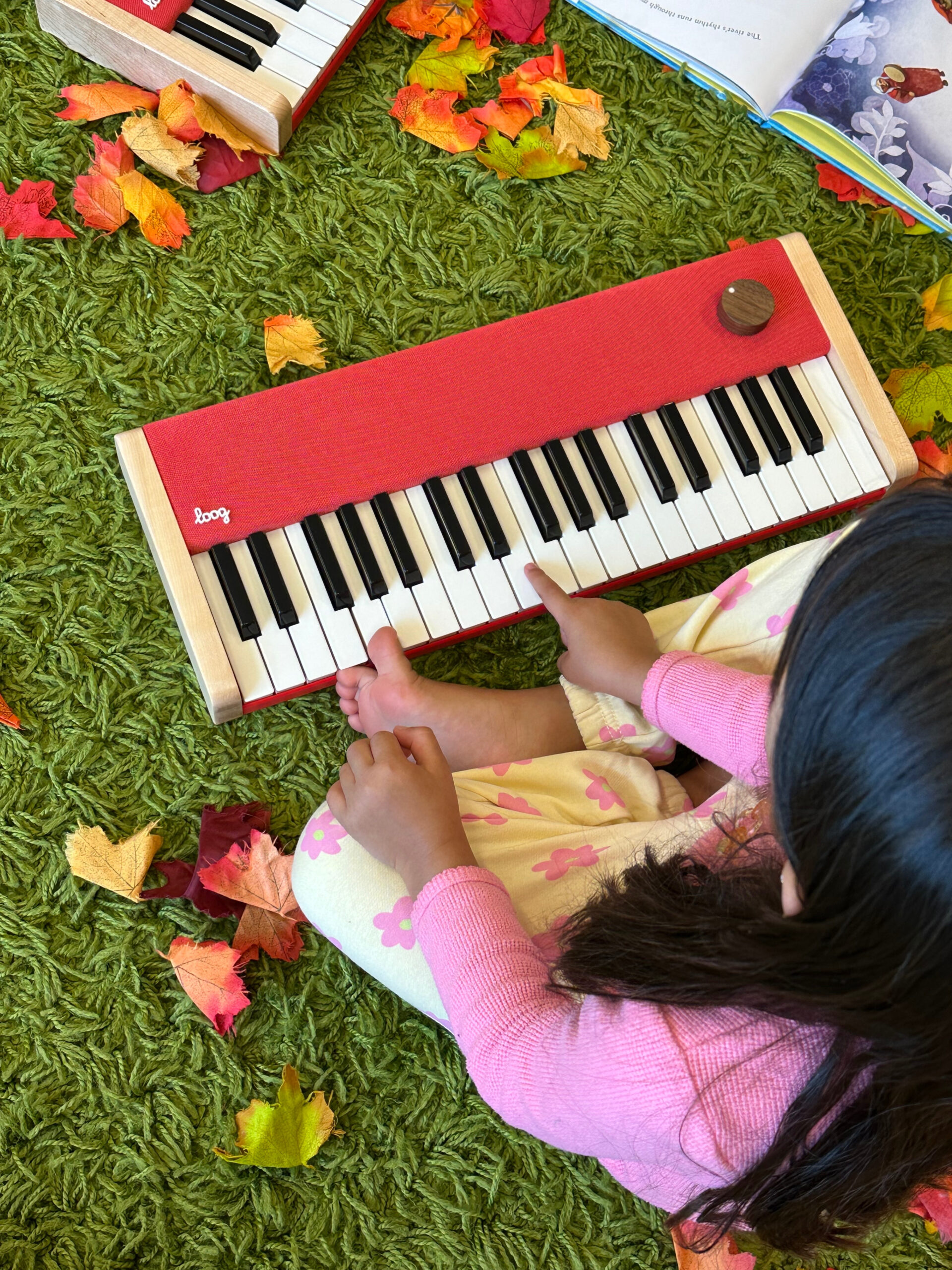


I love that we are doing at least one thing right! I have been doing this with my babies but feel that I can do better with my four year old at listening to her more. I feel bad that listening starts to wear away at such a young age when we tune out their loudness. Thank you for sharing such wisdom with all of us parents!
Thanks for your thoughtful comment, Raquel. I think you’re doing a great job. Hugs
My pleasure Raquel! It’s never too late (or too early) to slow down and listen. You’ll be so glad you did!