The Philosophy: Why “Baby-led”?
A common question: “How can a baby lead? They have no idea what they don’t know.” That’s true, but babies have an intrinsic desire to learn, and they’re remarkably good at recognizing what they like and don’t like. They also thrive on connection and interaction with their parents. These things are the perfect starting point for teaching music.
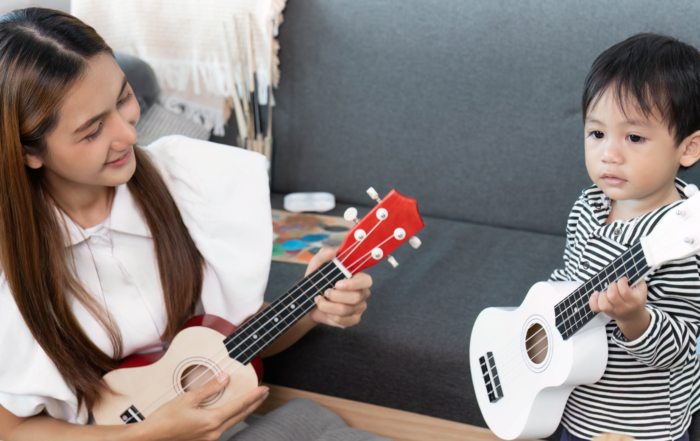
What baby-led really means is this: observe what your baby likes, join them in their world, and add music.
Think of it as creating a soundtrack for the most wonderful movie, only much simpler.

The Practice: Following your baby’s lead, stage by stage
As your child grows, the “music” looks different at each stage. Here’s how to follow their cues.
Newborns- Listen and Echo
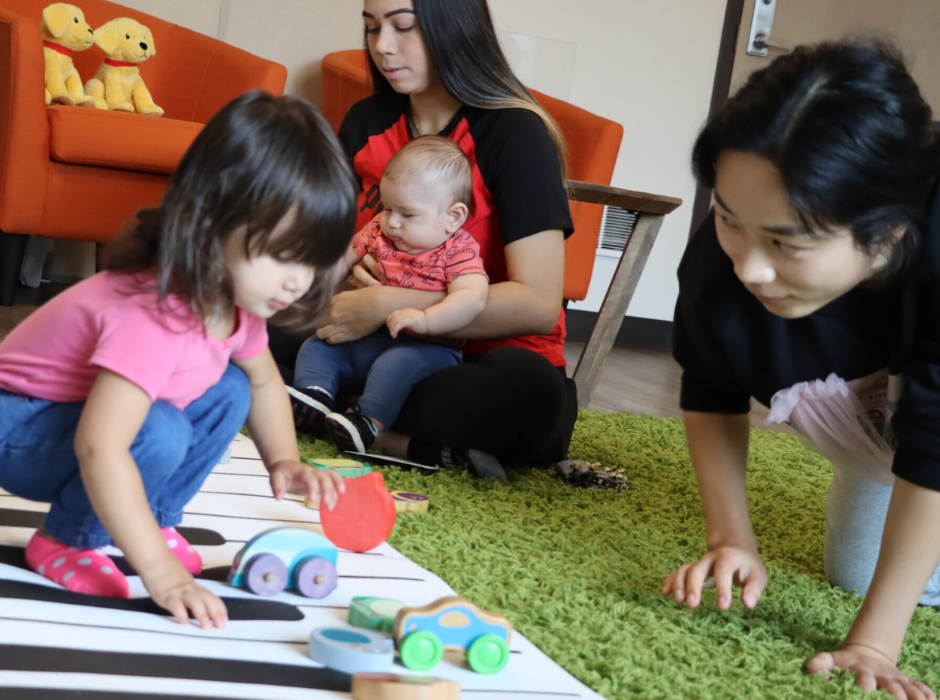
Brand new babies observe everything with wide eyes and open ears. Put yourself within their field of vision and listen to their tiny sounds. Let your baby look at you in their own time, don’t pull them in with noise or calling. Think of your baby’s tiny sounds as their song, and sing it back.
After patiently waiting, mirroring their facial expressions, and mimicking their sounds, start adding tiny tunes of your own. They don’t need to be complex or polished, they just need to come from a place of safety and belonging. When your baby starts repeating sounds, repeat those sounds back. Turn them into tiny songs, and keep being patient as your baby starts to figure out how to mimic you in return.
When your baby starts to smile, you’ll naturally do everything you can to get more of it. Let joy lead! Include little joyful, playful sounds in your musical repertoire, and let them see the happiness on your face too.
When movement starts, sing the action. When your baby is working on rolling over, sing about it. Make your songs sound “rolly” and fun. Mirror their facial expressions and noises, and maintain that eye contact.
Toddlerhood- Music as Your Toddler Grows
Toddlers love to pour things out. It can be frustrating, but they love it because they’re learning! It helps them understand gravity and cause-and-effect. Play falling sounds on the piano and sing songs like “Falling Falling Leaves.” Join the fun instead of stopping it! (at least sometimes)
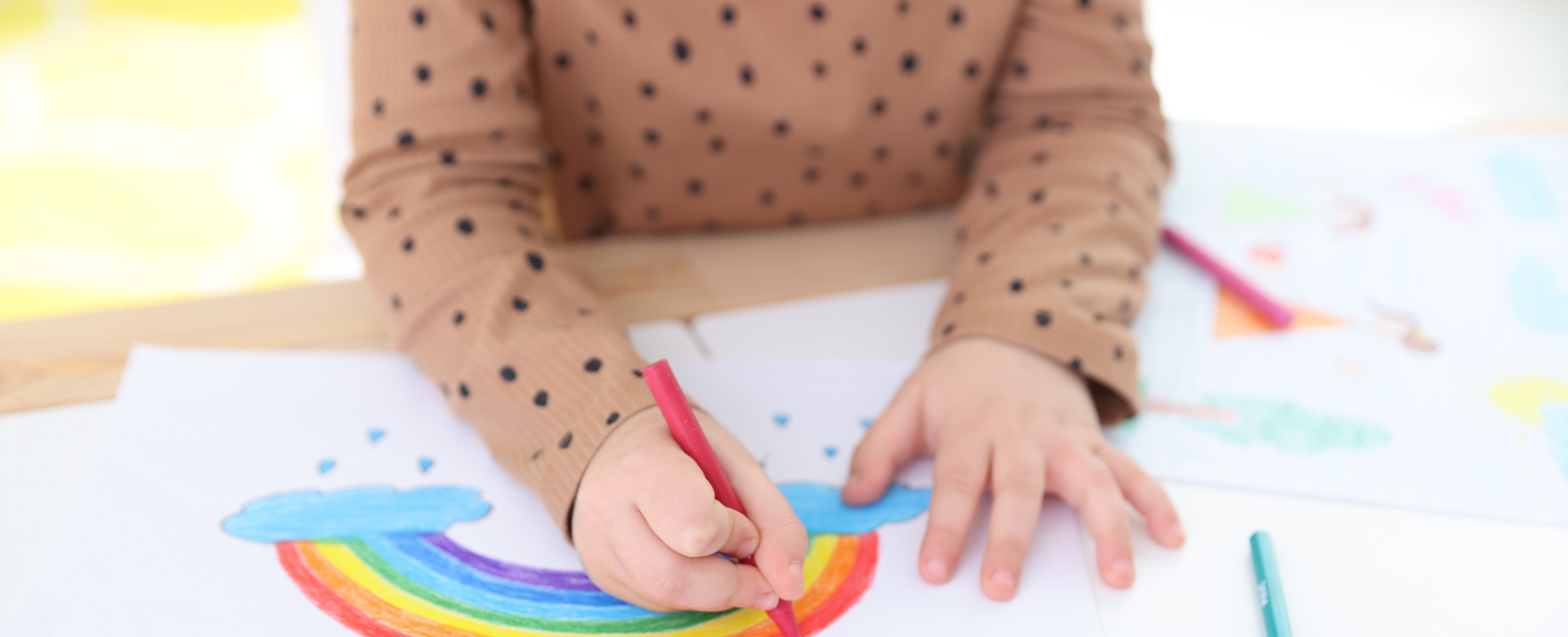
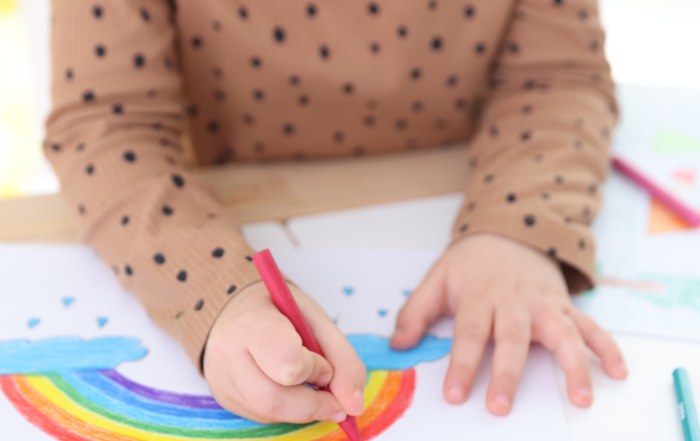
Even before your child wants to color & draw, you can show them that you write musical notes. Show your child how to write a “hold-that-whole-note” or a “long-note.” This is like the way you talk and your baby listens, but they don’t talk for a very long time. When your toddler is ready to try, be happy with scribbles and circles, and be patient if they’re not interested yet. Just seeing you write notes and name them out loud is enough for your toddler to learn that people write music, and they can too, when they feel ready.
Resources: Weaving music into everyday life
Observing your baby’s likes and dislikes and coming into their world is what Baby-Led Piano® is all about. Teaching real music theory and giving music as a gift — the same way you teach words — is a wonderful by-product of the connection you build every time you pay attention to your baby’s little songs, sing them back, and offer your own.
Continuing this dialogue for the rest of your lives is priceless.
The real gift
All the while, incorporate Rhythm, Dynamics, Piano Town and Frog Flashcards into every day life so that these become as much a part of your child’s vocabulary as the words you say and the storybooks you read to them. Include Songs to Sing and Fingerplays, Exploring the Keyboard and Stepping, Skipping and Staying into storytime and playtime, Let your child watch you practice the piano and compose your own little tunes. Especially include the songs in these books that will be super accessible to them when they’ve put all the parts together (in their own time) to start to play them too.
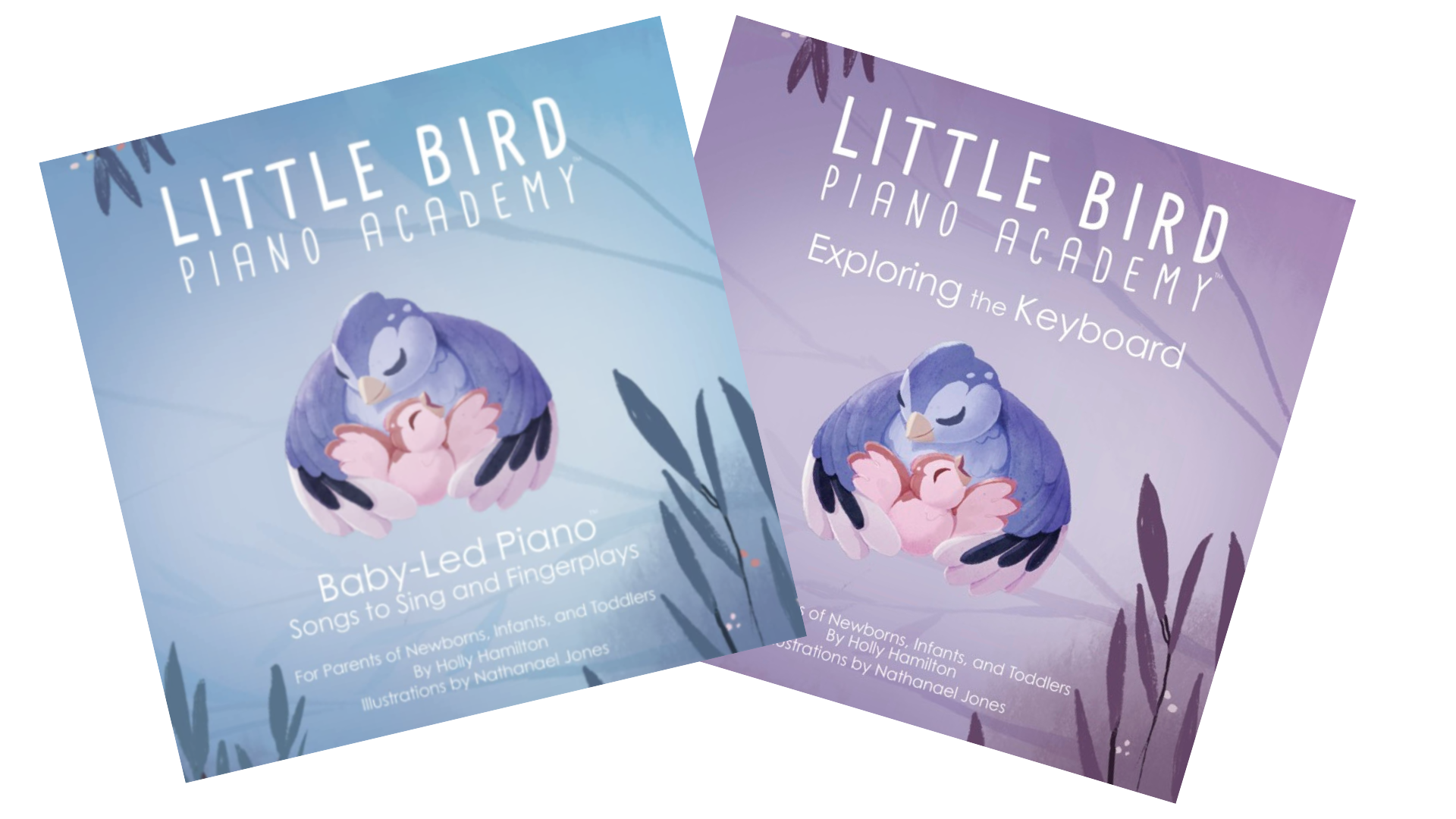
Check out the Baby-Led Piano® Books and Have So Much Fun With Your Little One!



Leave A Comment