

Why Your Three-Year-Old Won’t Do Anything You Say (And Why That’s Actually Okay)
Have you ever tried to make a three-year-old do … anything?
The last time I tried to make a three-year-old do something I wanted them to, I found out who was really in charge. It wasn’t me. This pattern of challenging behavior often continues through age four, and it can feel like a nightmare that will never end.
People used to talk about the terrible twos, but after raising six kids and teaching piano for over 30 years, I’m convinced that age three is actually the most challenging, and also one of the most valuable windows for helping your child learn cooperation.
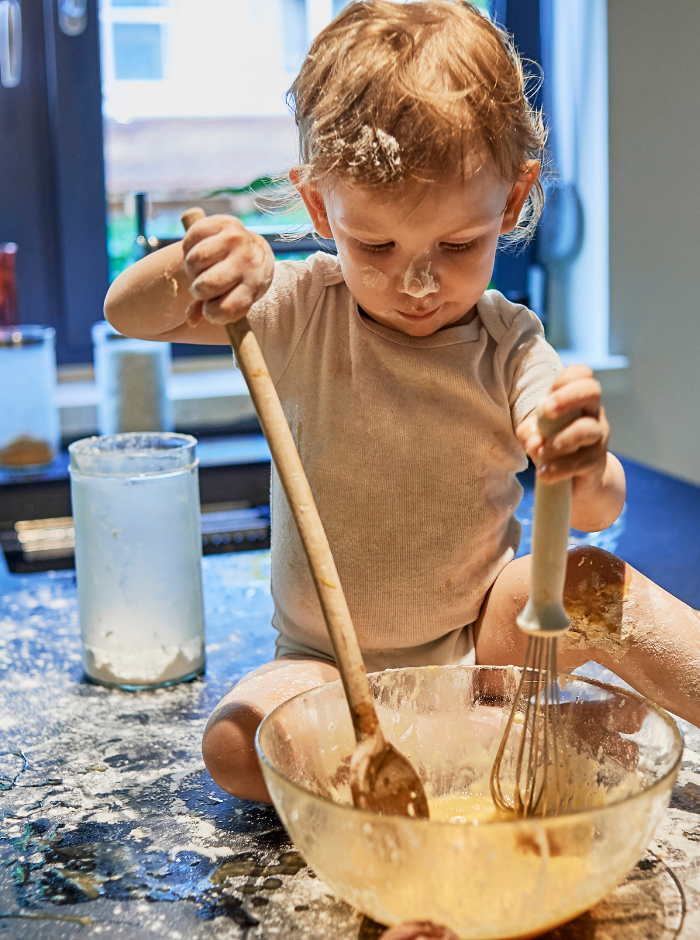
They’re not trying to drive you crazy
That cooperation doesn’t happen the way parents used to believe- through coercion, force, begging, time-outs, punishment, or even rewards. Even sticker charts, while seemingly positive, can actually undermine the process. Kids learn to cooperate by watching their parents demonstrate patience, respect, and cooperation.
I don’t think preschoolers are trying to be little jerks, or that they enjoy frustrating you. I think there’s a very important reason three and four-year-olds resist being told what to do: they’re trying to figure out what to do with autonomy.
Autonomy is an essential part of being human
Autonomy is critical to emotional wellness, happiness, and the ability to be self-directed. Age three is when kids first begin to discover that they’re individuals with the ability to make decisions. Before they’ll be able to do much cooperating, they’ll need a lot of being cooperated with, by you, their favorite grown-ups.
It can feel like the kids are in charge, and that can feel scary to parents who are trying to teach their kids how to get along in life. But really, they just haven’t yet figured out that they’re not the center of the universe, and they haven’t yet learned that life is much better when everyone cooperates. Little kids are naturally self-centered, and that’s actually important for them. They’ll naturally begin to think more outwardly once their inner self becomes established and confident by watching you, and by practicing over time.
The “teach them who’s boss” approach
When I was growing up, the parental adage seemed to be “teach them who’s boss or they’ll walk all over you.” It still feels like that’s the mindset of some parents today, especially when your preschooler won’t wear anything you think is appropriate, won’t eat what you made for dinner, and won’t put their shoes on even though you’re already late. It’s frustrating! And when you feel judged by people around you, it makes it that much harder to manage.
There are absolutely times when parents have to take the reins, be firmer than is fun, and just get out the door, and that can still be done with love. But understanding what’s driving your child’s behavior is the first step toward working with it, rather than against it.
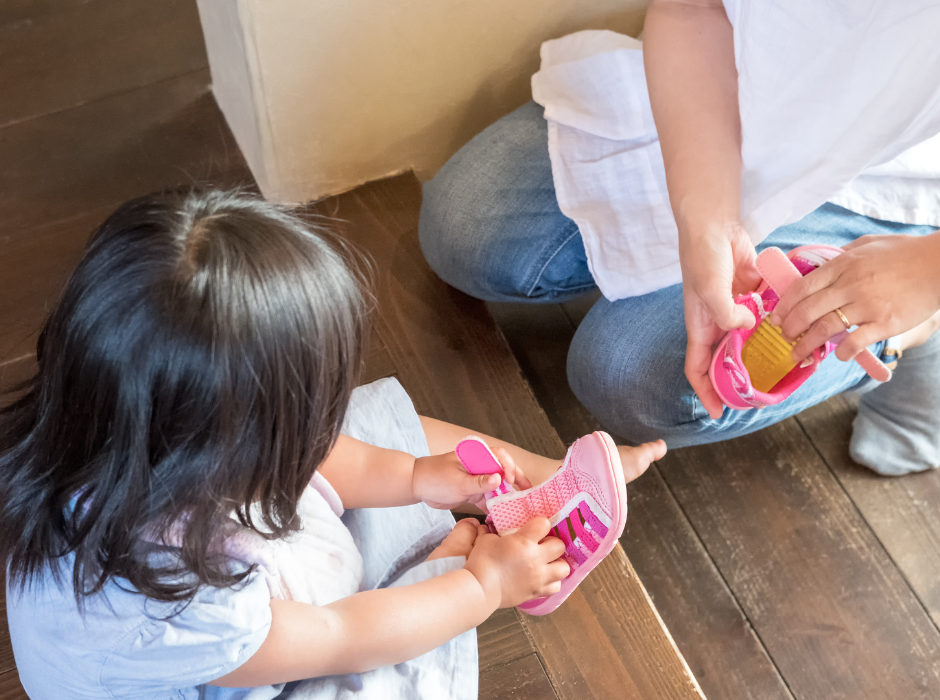
Preschoolers need to develop a sense of autonomy in order to grow into healthy, compassionate, and cooperative bigger kids, and eventually, into adults who make a positive difference in the world. The cooperative part will come. But first, they need to watch you be patient and cooperative for a very long time.
It’s not always easy, and you won’t be perfect, but it is so worth it.
But what do you do in the meantime? How do you get them to do the things you KNOW they need to do to develop the skills they need to grow into healthy, thriving, well-rounded people?
Next week I’ll be tackling How to Teach Music to a Toddler Who Won’t Be Taught!






Leave A Comment